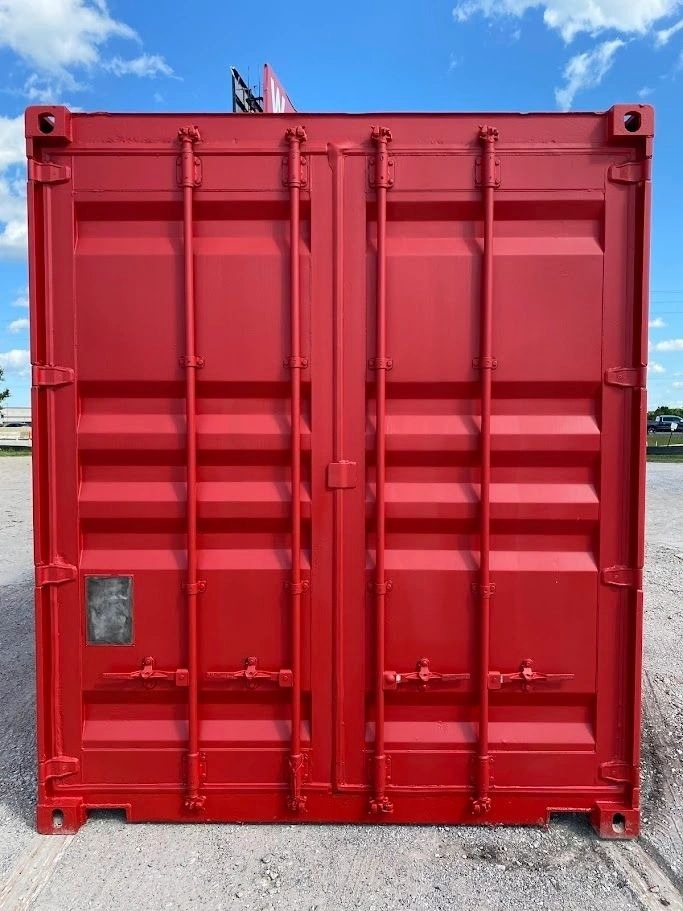
The Comprehensive Guide to 45-Container Shipping: Efficiency and Logistics
In today's fast-paced worldwide economy, the requirement for efficient shipping techniques has actually never been more vital. Amongst different container sizes offered for cargo transportation, the 45-foot container has become a popular choice due to its size and versatility. This blog explores the information surrounding the 45-container, focusing on its specs, benefits, and applications, while providing insights through useful tables and an extensive FAQ area.
Understanding the 45-Container
The 45-foot container, frequently described as a 45 DC (dry container), is a robust and roomy shipping solution. Here are some of its essential requirements:
| Specification | Information |
|---|---|
| Length | 45 feet (13.72 m) |
| Width | 8 feet (2.44 m) |
| Height | 9.5 feet (2.9 m) |
| Maximum Payload | Around 30,000 kg (66,139 lbs) |
| Volume | Roughly 85 cubic meters (3,000 cubic feet) |
Key Features of 45-Containers:
- Increased Capacity: One of the standout features of the 45-container is its additional length compared to the standard 20 and 40-foot containers. This offers more cubic space for goods, permitting businesses to transfer larger quantities of items without requiring to use several standard-sized containers.
- Standardized Compatibility: The 45-container maintains compatibility with existing shipping infrastructure, consisting of cranes, ships, and freight trains, guaranteeing smooth logistics throughout the transport chain.
- Adaptability: These containers can be fitted to transfer numerous types of items, consisting of, but not restricted to, basic cargo, textiles, equipment, and even temperature-sensitive items when utilizing refrigerated variations.
- Cost Efficiency: By permitting companies to deliver more products in a single journey, 45-containers can reduce transportation expenses in regards to fuel performance and shipping rates.
Applications of 45-Containers
45-foot containers have a wide range of applications throughout various industries. Below are some primary sectors that gain from using 45-containers:
| Industry | Applications |
|---|---|
| Retail | Transferring bulk clothing, home products, and electronics. |
| Manufacturing | Moving machinery elements and finished goods. |
| Food and Beverage | Shipping perishable products when using refrigerated 45-containers. |
| Automotive | Carrying parts and completed automobiles. |
| Construction | Bring building and construction materials, consisting of big machinery. |
Benefits Over Other Container Sizes
When compared to standard 20 and 40-foot containers, 45-containers use several benefits:
- Higher Volume: Businesses that deal with large deliveries can take advantage of the increased cubic capacity without needing additional trips.
- Lesser Turnaround Time: When shipping a larger volume in one container, companies can minimize their total shipping cycles, leading to faster shipment times.
- Flexible Loading Options: The bigger area enables the mix of various products in one delivery while guaranteeing compliance with weight limits.
Obstacles and Considerations
While the benefits are considerable, there are some difficulties to consider with 45-containers:
- Limited Availability: In some regions, these containers may not be as easily available as their smaller equivalents, potentially leading to logistical hurdles.
- Weight Restrictions: Due to their larger size, carriers need to guarantee that weight circulation is properly computed, particularly when browsing through weight constraints at ports and borders.
- Greater Initial Costs: The cost to lease or acquire a 45-container can be greater, which might discourage smaller sized organizations from making the initial investment.
Often Asked Questions (FAQ)
1. What types of products are best matched for a 45-container?
Response: 45-containers are suitable for a broad variety of goods including electronic devices, textiles, building materials, and perishables (in the case of refrigerated containers). 45 Foot Shipping Container makes them perfect for bulk deliveries.
2. Are there cooled 45-containers offered?
Answer: Yes, refrigerated 45-containers, likewise referred to as reefer containers, are offered and are frequently used for transferring perishable items such as food and pharmaceuticals.
3. What is the weight limitation for a totally packed 45-container?
Response: The maximum payload for a 45-foot container is generally around 30,000 kg (66,139 pounds), however this can vary based upon specific container building and shipping guidelines.
4. How do I determine whether to use a 45-foot container over a 40-foot container?
Response: The choice in between a 45-foot and a 40-foot container depends on several factors including the volume of goods to be shipped, the nature of the cargo, and cost factors to consider. If you require to transport larger quantities effectively, a 45-container is typically the better alternative.
5. Can 45-containers be shipped by means of air freight?
Response: No, 45-containers are primarily used for sea and land freight. Air freight usually uses palletized cargo systems, as the dimensions of basic shipping containers do not fit within air freight restrictions.
The 45-foot shipping container stands as a notable alternative in the logistics and transport market. With its exceptional capability, flexibility, and compatibility with shipping facilities, services can leverage the benefits of 45-containers to enhance their shipping effectiveness.
As the global landscape continues to progress, comprehending the distinct advantages and possible challenges of these bigger containers will be crucial for organizations seeking to optimize their supply chains. By gauging the requirements of their shipments and making notified choices, companies can make use of the advantages of the 45-container to fulfill their logistical demands effectively.